Emacs, my favourite editor, turned 50
I have used Emacs since 1993. Magit, Org-roam and plain text keep it useful. Now an agent can help me change the editor itself.
My favourite editor turned 50. I have used it since 1993, which is an uncomfortable amount of history to attach to something I still open to get work done.
MIT Technology Review has a history of Emacs, from its beginnings at the MIT AI Lab in 1976. One detail I liked: Guy Steele wanted to agree on a standard set of editing commands because everyone’s customisations made it harder to help each other. He was trying to solve a social problem. A group of programmers had made their tools so personal that using someone else’s had become work. That sounds familiar.
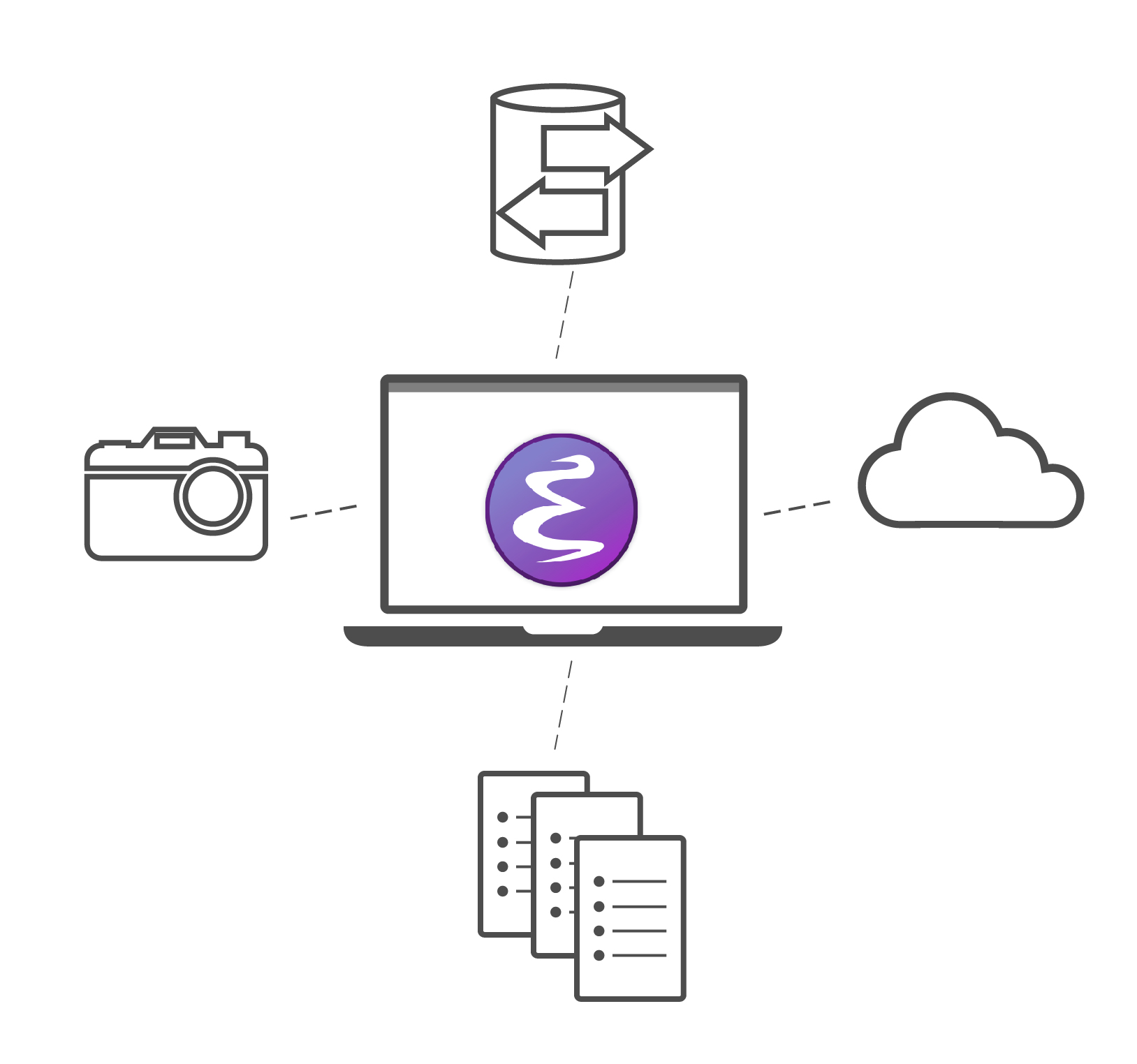
I have stayed with Emacs because I can change it. There is no particular virtue in using old software, and familiarity alone would be a poor reason to put up with a bad tool. But an editor I can adapt has room for the way my work changes. I do not have to replace the whole thing whenever I want one part to behave differently.
Magit is one of the reasons I love it. It gives me a useful view of what I am changing in Git, without making me leave the editor to do the next bit of work. I can inspect a diff, stage the parts I want and make a commit. Git is still Git. Magit makes working with it pleasant, which is not something I say about every Git interface.
Org-roam matters for a different reason. My notes are text files, linked together, rather than content trapped inside a particular application. Emacs gives me a good place to work with them, but it does not have exclusive access. I can search them with other tools, keep them in Git or let an agent read and edit them. The agent still needs to preserve the structure and links. Plain text does not make careless editing safe. It does make the changes inspectable.
Now I am on Omarchy Linux, and I can ask an agent to tweak Emacs for me. I can describe the behaviour I want and have it help with the configuration or Emacs Lisp, rather than first setting aside time to remember how that part works. I still need to look at the change and try it. The useful part is being able to make a small improvement while I am thinking about it.
That has given me another reason to keep using an editor I already liked. Its age has not prevented it from fitting into this way of working. The text files and ability to change things were already there. I have a new way to use them.